Heat Exhaustion
Heat Exhaustion
Heat exhaustion is a heat-related illness that can occur after you've been exposed to high temperatures, and it often is accompanied by dehydration.
There are two types of heat exhaustion:
- Water depletion. Signs include excessive thirst, weakness, headache, and loss of consciousness.
- Salt depletion. Signs include nausea and vomiting, muscle cramps, and dizziness.
Although heat exhaustion isn't as serious as heat stroke, it isn't something to be taken lightly. Without proper intervention, heat exhaustion can progress to heat stroke, which can damage the brain and other vital organs, and even cause death.
Symptoms of Heat Exhaustion
The most common signs and symptoms of heat exhaustion include:
- Confusion
- Dark-colored urine (a sign of dehydration)
- Dizziness
- Fainting
- Fatigue
- Headache
- Muscle or abdominal cramps
- Nausea, vomiting, or diarrhea
- Pale skin
- Profuse sweating
- Rapid heartbeat
Treatment for Heat Exhaustion
If you, or anyone else, has symptoms of heat exhaustion, it's essential to immediately get out of the heat and rest, preferably in an air-conditioned room. If you can't get inside, try to find the nearest cool and shady place.
Other recommended strategies include:
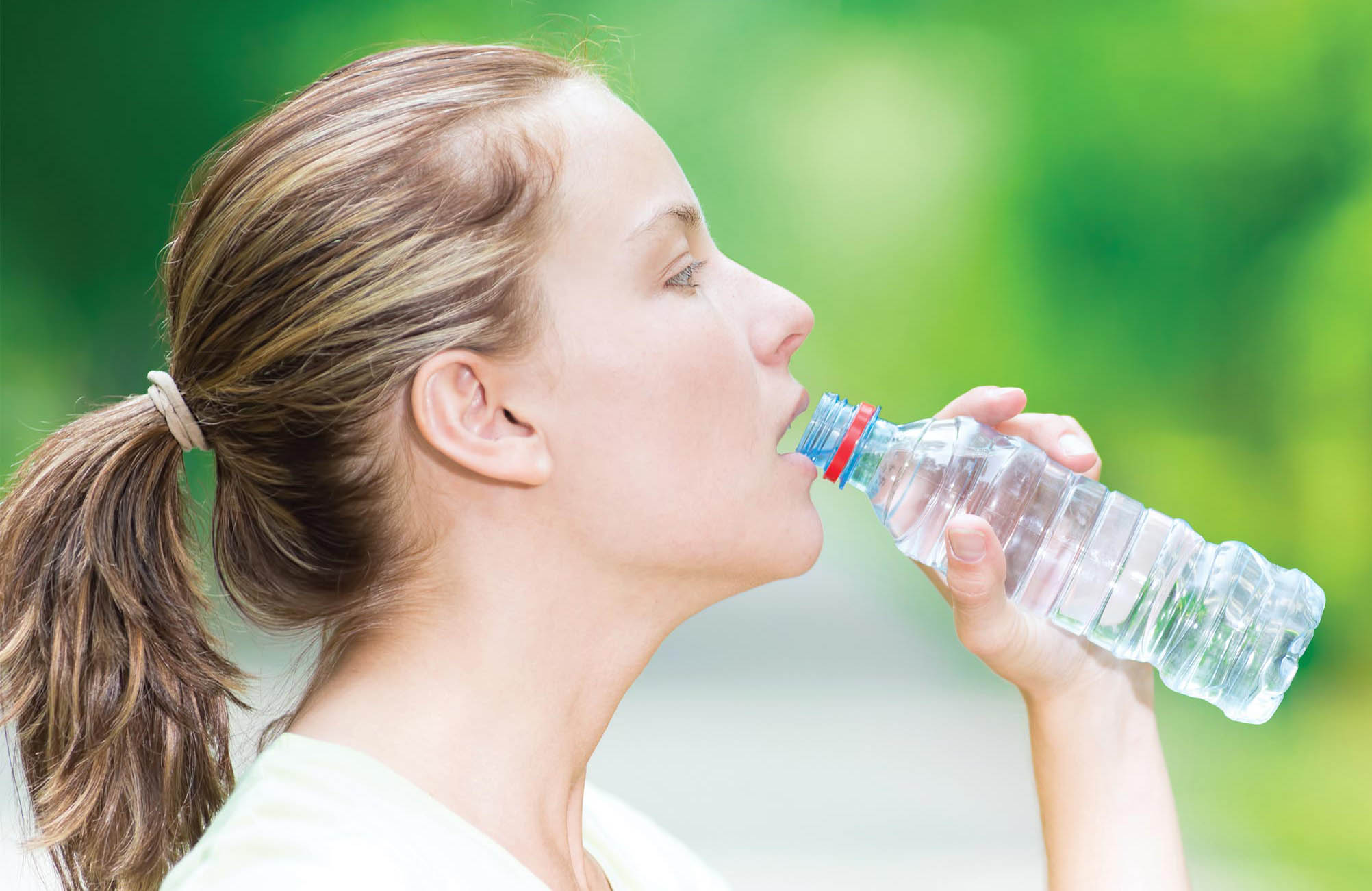
- Drink plenty of fluid (avoid caffeine and alcohol).
- Remove any tight or unnecessary clothing.
- Take a cool shower, bath, or sponge bath.
- Apply other cooling measures such as fans or ice towels.
If such measures fail to provide relief within 15 minutes, seek emergency medical help, because untreated heat exhaustion can progress to heat stroke.
After you've recovered from heat exhaustion, you'll probably be more sensitive to high temperatures during the following week. So it's best to avoid hot weather and heavy exercise until your doctor tells you that it's safe to resume your normal activities.
Risk Factors for Heat Exhaustion
Heat exhaustion is strongly related to the heat index, which is a measurement of how hot you feel when the effects of relative humidity and air temperature are combined. A relative humidity of 60% or more hampers sweat evaporation, which hinders your body's ability to cool itself.
The risk of heat-related illness dramatically increases when the heat index climbs to 90 degrees or more. So it's important especially during heat waves to pay attention to the reported heat index, and also to remember that the heat index is even higher when you are standing in full sunshine.